Fixing Cracked Corner Bead and Dented Edges
Three coats of compound is the usual count on a metal corner, and the first one is the only one that fixes the bead's position. Outside corners take more abuse than any other part of a wall, and drywall repair work booked through riverside drywall repair cchs in Riverside, CA often starts with a corner that has been hit by a vacuum, a stroller or a moving dolly.
What a damaged corner looks like
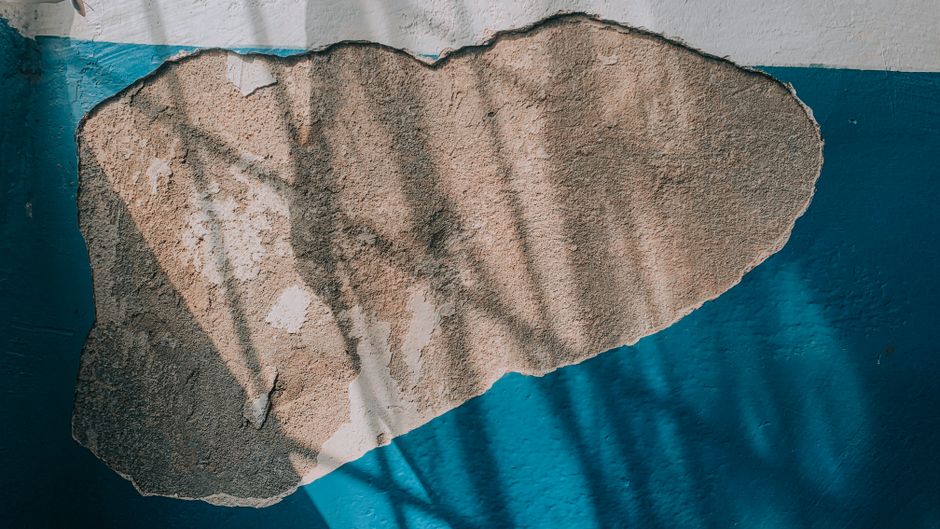
A dent in a metal bead shows as a crushed, bright line with compound chipped away around it. A paper-faced bead can tear and curl. Houses built in the 1950s and 60s often have rounded bullnose corners, finished by hand, and these crack differently, usually in a thin line down the radius where the compound coat has let go.
Cut the bad run out
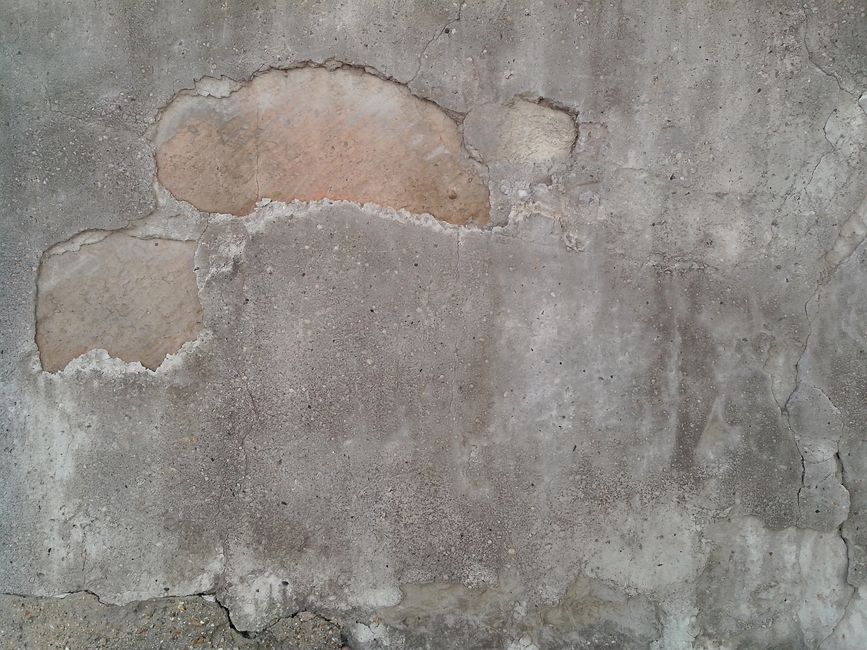
A crew scores the compound along both sides of the bead, then pries the damaged bead off with a flat bar. Loose compound is scraped back to firm board. If the gypsum board itself is crushed below the bead, that section is cut out and a new piece is screwed to the stud, because a bead cannot sit straight on broken board.
Set the new bead straight
A new bead is cut to length, held against the corner and checked with a level. It is fastened with screws or crimped on, set slightly proud of the board faces so the compound can cover it. A bead set crooked at this stage stays crooked, so a crew checks it by running a straightedge down both sides.
Three coats of compound
The first coat of hot mud or setting compound fills the gap between bead and board. Topping compound follows, with a wide knife or a corner tool that carries each coat further from the corner. Each coat dries fully before the next. A quick job with two thick coats cracks at the edge of the metal within a season.
Sanding to a straight edge
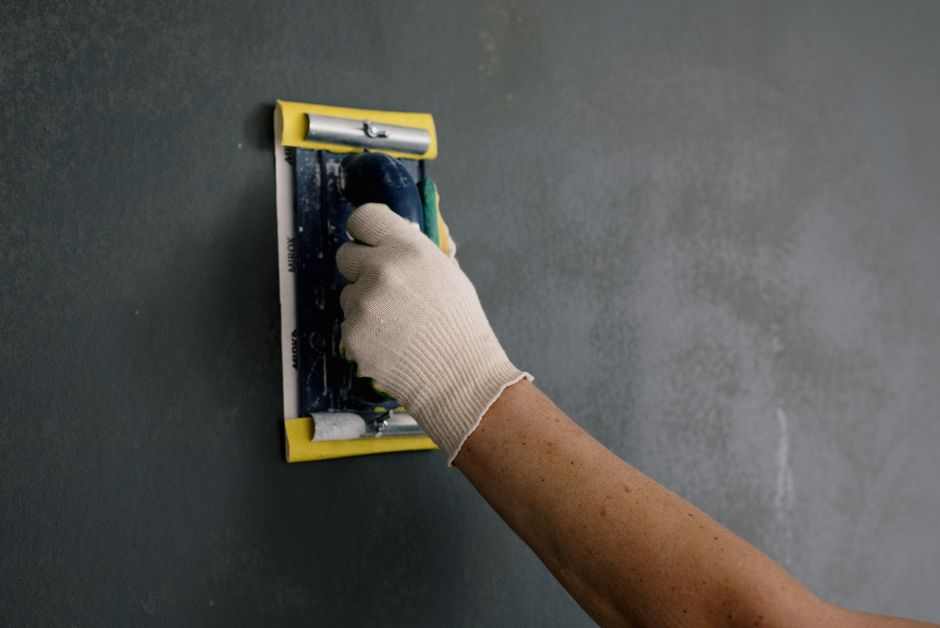
The corner is sanded with a pole sander or a sanding sponge held flat, not rounded over the edge, so the line stays crisp. A raking flashlight along the corner shows any waves. After primer, a last light sand takes off raised grain, and the paint goes on over a corner that looks like it was never touched.