How to Choose a Drywall Repair Crew in Riverside
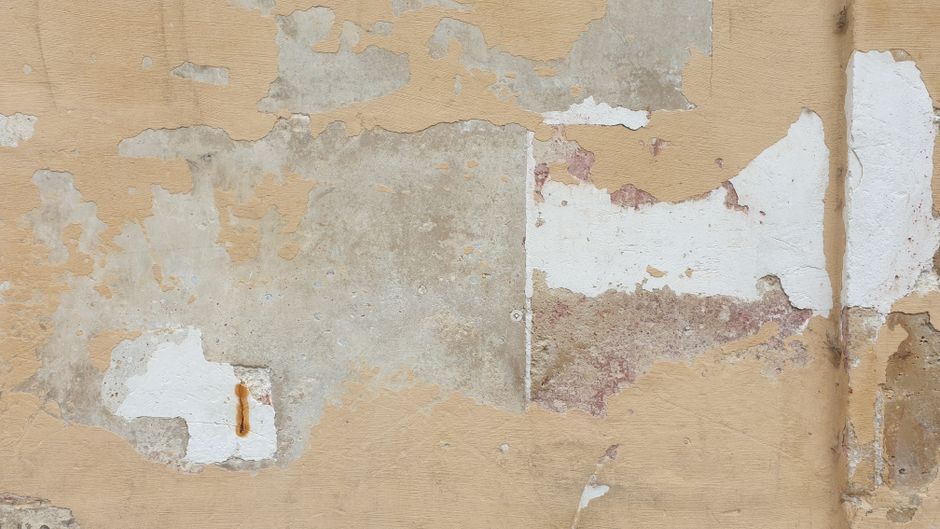
The estimate does one job: it describes what will be cut, replaced and finished, and the wording tells a lot about the crew. The figures kept at riverside drywall repair cchs list the same drywall repair questions homeowners in Riverside, CA ask before work starts, and the answers separate a patch that disappears from one that shows by the next season.
Ask how water damage is dried
For a wet wall or ceiling, a good crew names the tool, usually a moisture meter, and says what reading allows closing up. A crew that plans to skim over damp board has skipped the step that matters most. The Santa Ana River valley has dry air much of the year, but a wall cavity can stay wet well beyond what the surface shows.
Patch or full sheet
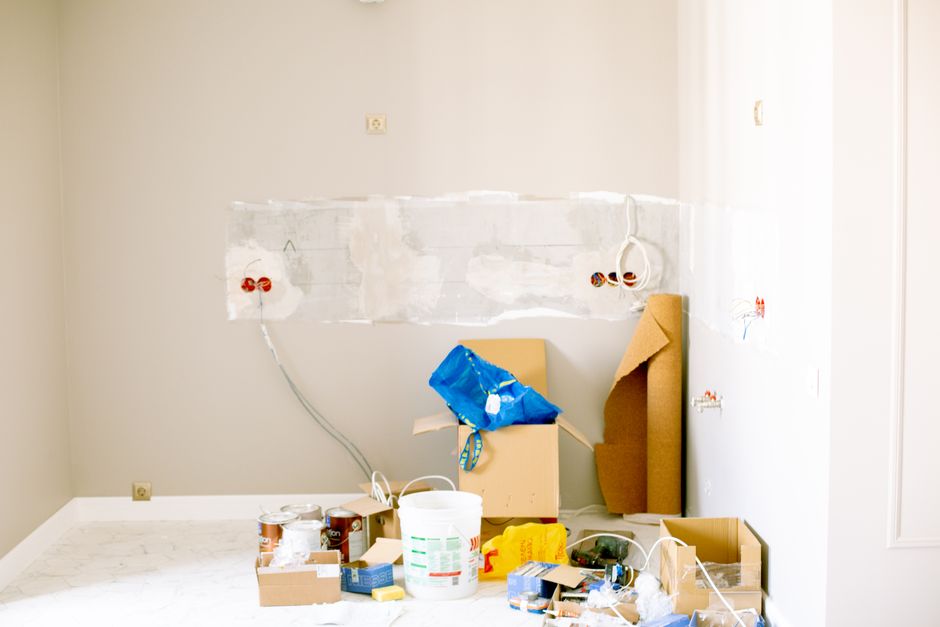
Small holes get a cut-in patch, with new board secured to backing. Larger damage near a seam usually goes out to the nearest stud lines, because a patch that straddles a seam cracks along both edges. Ask which the scope assumes and why. A clear answer names the board thickness, half inch board or five eighths board, matched to the existing wall.
Dust control while sanding
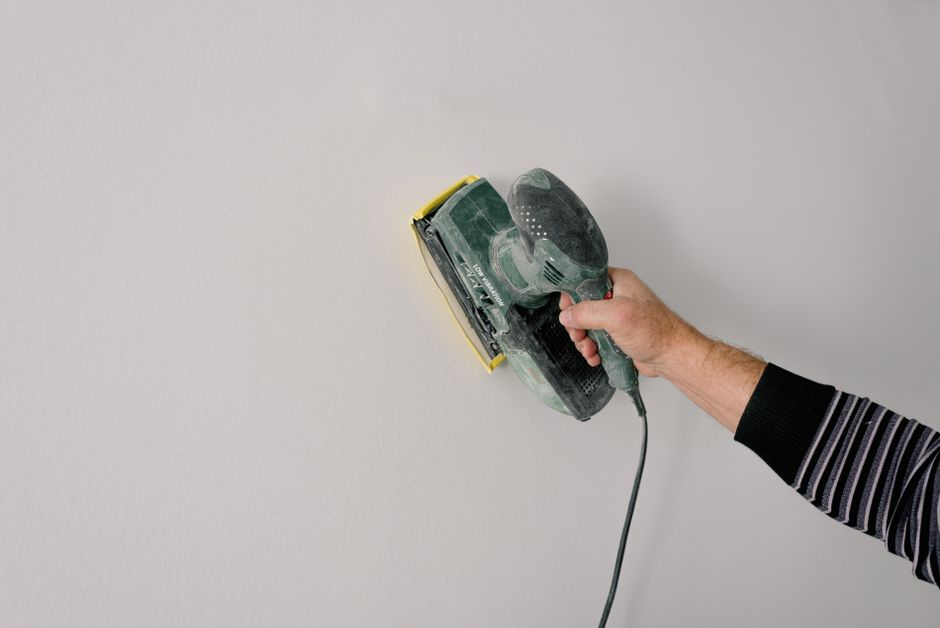
Sanding joint compound makes a very fine dust that travels through a house. Crews that care about this hang plastic sheeting over doorways, use a sander with a vacuum attachment, and wipe down afterwards. A crew with none of those on the truck leaves a film on every flat surface in the rooms next door.
See the texture on scrap
A crew that is confident in matching knockdown or orange peel will spray a small sample on scrap board before touching the wall. The sample dries a different shade, so it is judged dry. Pictures of past finished patches in Riverside homes also help, as long as they show raking light.
Primer, paint and the written scope
The scope should state primer, the number of paint coats, who supplies the paint, and whether the whole wall is painted corner to corner. A written scope with room names, repair size and finish steps leaves less to argue about later, and it makes two estimates comparable line by line. Photos of the damage taken before any cutting also belong with it, since they settle later questions about what was there when the crew arrived.