Nail Pops and Hairline Cracks in Inland Empire Drywall
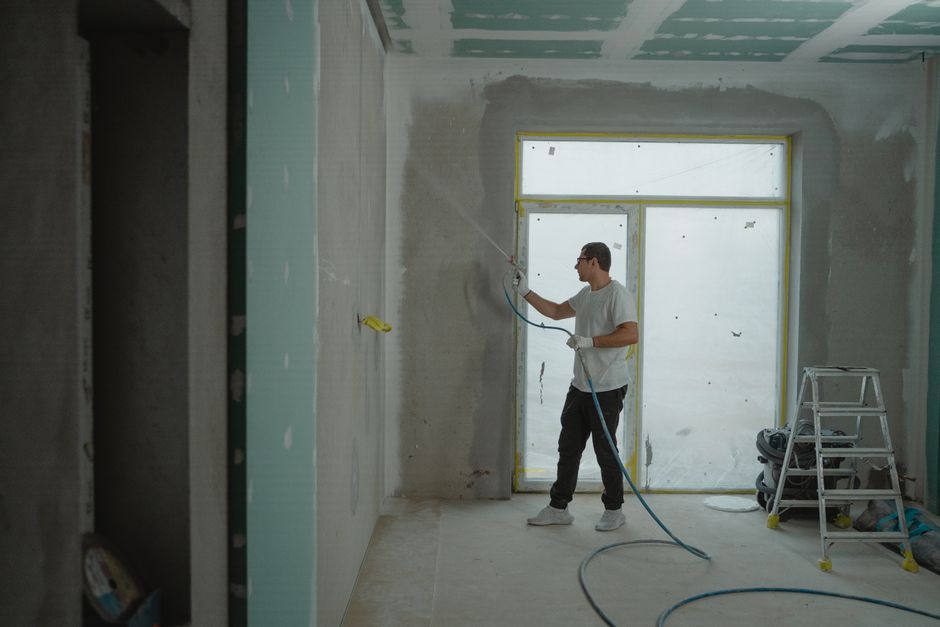
The drywall nail holds the board against a stud by friction on its shank, and when the stud shrinks or flexes, the nail backs out and lifts a small dome under the paint. Every Riverside, CA house sees it eventually, and every teardown riverside drywall repair cchs has logged shows the same cause, wood that dried and moved after the board went up.
Why Riverside walls move
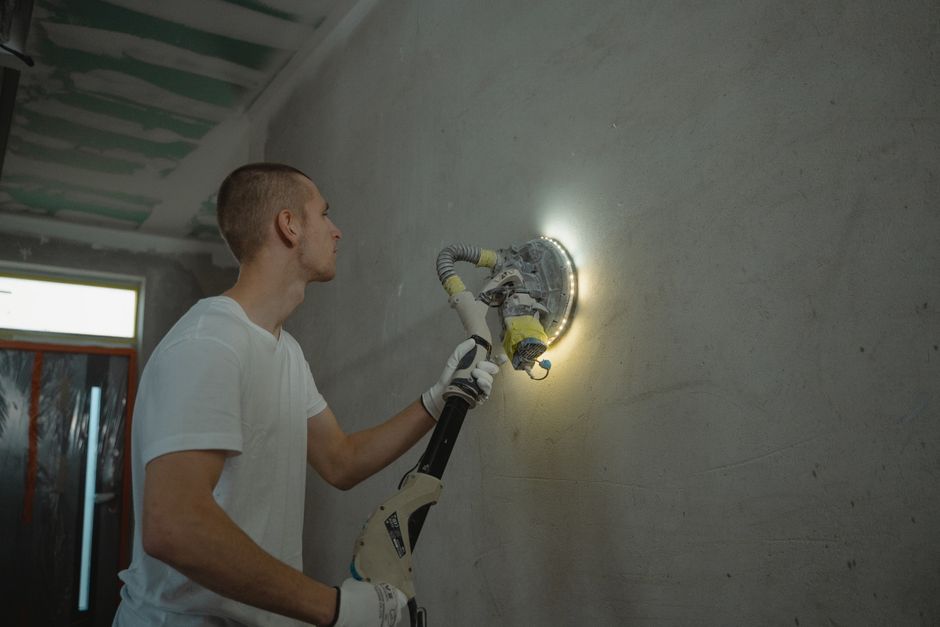
Framing lumber loses moisture for years after a house is built, and summer heat in Riverside County swings the attic and the walls hard from afternoon to night. Studs twist slightly as they dry. Boards fastened with nails rather than screws pop first, and ceiling joists carry the same movement into the ceiling seams.
Resetting a popped nail
Hammering the nail back in only reseats it for a season. The better repair drives a drywall screw a couple of inches above and below the pop, pulling the board tight to the stud, then sets or removes the old nail. The screw heads are dimpled just below the paper surface without tearing it.
Filling the dimples
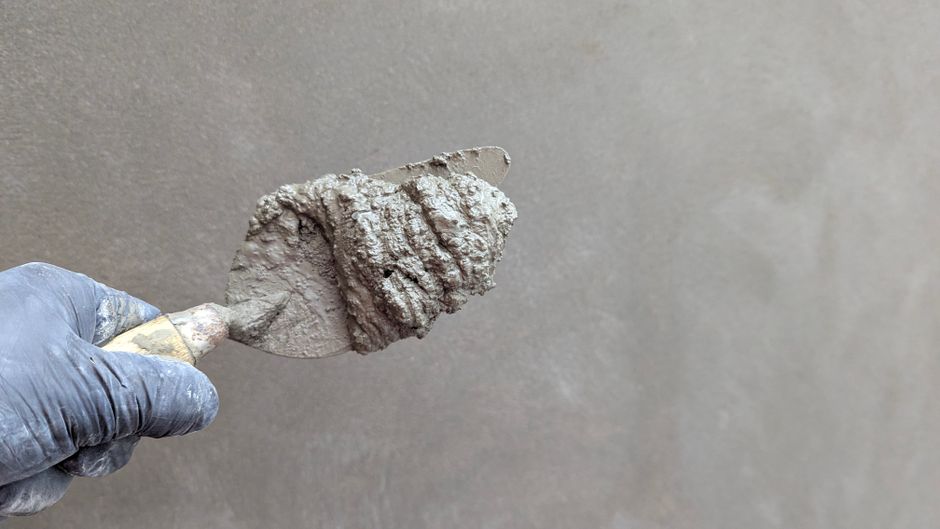
All purpose compound is knifed over each screw head in two thin coats, each wider than the last. A third light coat leaves the dimple invisible after sanding. Thick one-pass fills shrink and crack, so a shallow fill repeated is the right order. Paint goes on only after the last coat is sanded smooth and primed, because a dimple that is still visible under primer will be more visible under a glossier finish.
Cracks along the seams
A hairline crack running along a seam means the tape has lost its bond or the joint was starved of compound. A crew cuts the crack open with a utility knife, removes loose material, and embeds new mesh tape or paper tape in setting compound, which cures chemically and holds better than premixed mud. Topping compound covers it for the finish.
When a crack keeps coming back
A crack that returns in the same spot in a year points to movement in the framing, not a bad patch. Cracks that start at door corners or window corners and run diagonally are the common ones, and a bead of paintable flexible caulk over a thin tape joint sometimes handles movement better than rigid mud. Large, widening cracks call for a look at the foundation and the roof framing.