Drywall Behind a Plumbing Leak in a Riverside Wall
Drywall does one job in a wall: it is a flat, fire-resistant skin held to the studs, and it has no defence against water getting behind it. Every teardown riverside drywall repair cchs has logged shows the same thing, that a slow pinhole leak does far more harm in a Riverside, CA wall than a burst pipe that gets noticed in an hour.
What a slow leak looks like from the outside
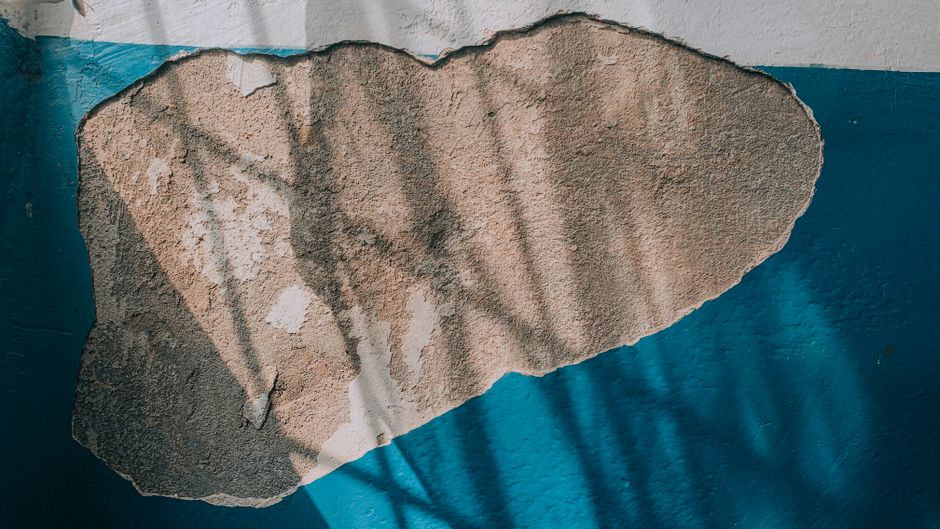
Paint bubbles low on the wall, a baseboard starts to lift, or a patch of wall feels cool and slightly soft. Sometimes the only sign is a musty smell near a bathroom or a kitchen sink. Older Riverside houses with galvanized or early copper supply lines are prone to this, because pinholes form at fittings long before the pipe fails.
Find the source before opening the wall
A crew shuts off the supply, checks the meter for movement, and uses a moisture meter to map the damp area on the wall face. The wet zone tells where to cut. A plumber fixes the pipe first, because new board over a live leak is wasted material and labour.
Cut a clean opening past the damage
The cut runs to the nearest studs on both sides, with the board removed in one rectangle. Behind it the crew looks at the bottom plate, the lower stud ends and the insulation. Dark staining, soft wood or fuzzy growth on the paper back means the cavity needs longer to dry, and sometimes a mold specialist before any new board goes up.
Where moisture resistant board belongs
Around tubs, showers and sink walls, the replacement is moisture resistant board, often sold as green board, and behind tile the backer is cement board. Plain gypsum board is fine for a hallway wall. Using the right sheet in a wet room is the cheapest protection against a repeat of the same repair.
Closing it up so it does not show
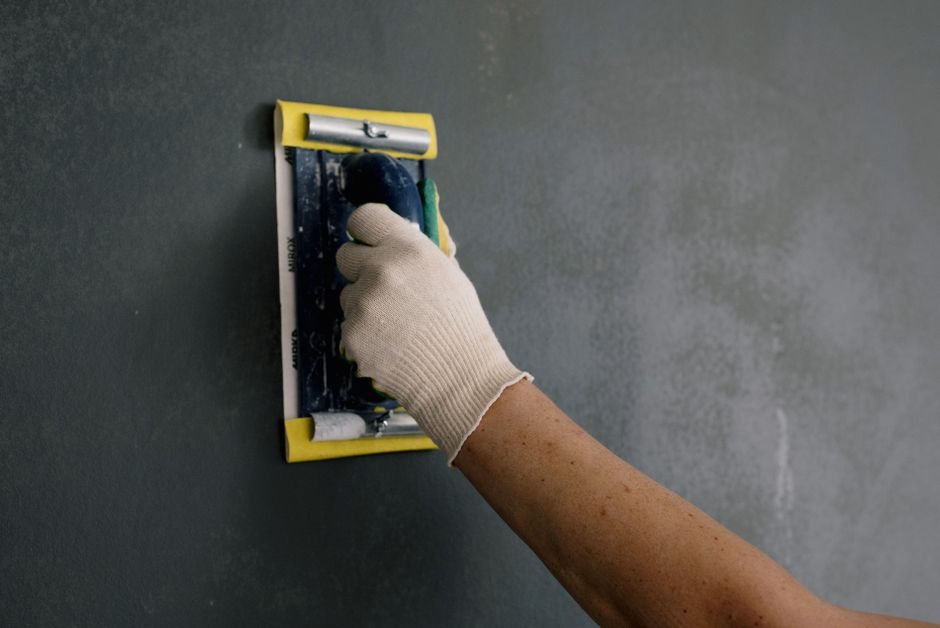
New board is fastened to the studs, with backing nailers added where the cut left an edge between framing. Mesh tape covers the seams, since it holds well on a patch that will be sanded flat. The first coat of mud goes on thin, followed by topping compound in two wider passes. After sanding, primer seals the patch before paint, so the repair does not flash against the older wall.